পোস্টগুলি

English At Home লেবেল থাকা পোস্টগুলি দেখানো হচ্ছে

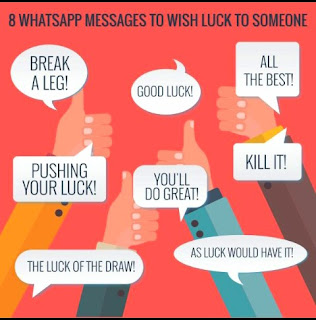
8 WhatsApp messages to wish someone luck
ছবি
8 WhatsApp messages to wish someone luck: 1. Good luck (সৌভাগ্য) - used to express wishes for success. (কোনো ব্যক্তির সাফল্যের জন্য প্রাণঢালা শুভেচ্ছা!) Example: Good luck with your exams! 2. All the best (শুভকামনা, যেনো সব ভালো হোক) Example: All the best for your trip! 3. Break a leg (খুব ভালো করা, ভাগ্য তোমার সাথে আছে) Example: You have practiced a lot! Break a leg! 4. Kill it! (অনেক ভালো করা) - wishing someone to do something extremely well Example: The audience went mad after his performance! He killed it! 5. You'll do great (আপনি অনেক ভালো করবেন) - When somebody is about to do something important, you could say this to motivate them. (যখন কেউ কিছু এম করতে যায় যেটা তার জন্য অনেক গুরুত্বপূর্ণ, তাদেরকে উৎসাহিত করতে এবং তাদের মধ্যে আস্থা বাড়ানোর জন্য,আপনি বলতে পারেন - You'll do great) Example: Don't worry, you'll do great! Other terms for luck: 1.'Pushing your luck': When you have good luck or a good situation, but you try too har...
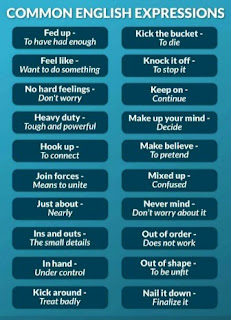

Common English expressions

ছবি
Common English expressions: 1. Fed up - this means, to have had enough(হয়রান) 2. Feel like - this means, want to do something(কিছু একটা করতে চাই) 3. No hard feelings - don't worry(চিন্তা করোনা) 4. Heavy duty - tough and powerful(শক্ত এবং শক্তিশালী) 5. Hook up - to connect(সংযোগ করা) 6. Join forces - means to unite(ঐক্য মানে) 7. just what the doctor ordered - means what you need(তুমি কি চাও) 8. Just about - nearly(প্রায়) 9. Ins and outs - the small details(ছোট বিবরণ) 10. In hand - under control(নিয়ন্ত্রণে) 11. Kick around - treat badly(খারাপ ব্যবহার) 12. Kick the bucket - to die(মরতে) 13. Knock it off - to stop it(এটা থামাতে) 14. Know-it-all - means, over confident(বেশি আত্মবিশ্বাসী) 15. Keep on - continue(অবিরত) 16. In less than no time - immediately(অবিলম্বে) 17. Long face - sad(দু: খিত) 18. Means business - serious(গম্ভীর) 19. Make up your mind - decide(সিদ্ধান্ত নেন) 20. Make off with - to steal(চুরি করা) 21. Make believe - to pret...

Expressing Frustration হতাশা প্রকাশ এর ১৩ নিয়ম

ছবি
Expressing Frustration(হতাশা প্রকাশ): 1. I can't stand   noun/gerund E.g. I can't stand stupid people. 2. I can't bear   noun/gerund E.g. I can't bear moonless nights. 3. I can't put up with   noun/gerund E.g. I can't put up with her. She's really annoying. 4. noun/gerund annoys me E.g. He annoys me. 5. noun/gerund bugs me E.g. My niece bugs me. 6. noun/gerund gets on my nerves E.g. The sound of my alarm clock gets on my nerves. 7. noun/gerund pisses me off (slang) E.g. People who show off all the time, piss me off. 8. I can't stand it when   sentence E.g. I can't stand it when people are dishonest. 9. I can't bear it when... E.g. I can't bear it when my feet are cold. 10. It annoys me when... E.g. It annoys me when my roommate leave the lights on. 11. It bugs me when... E.g. It bugs me when my phone runs out of battery. 12. It gets on my nerves when... E.g. It gets on my nerves when someone does not com...

The 8 Best Interactive Websites for Adults to Learn EnglishEnglish Learning site

The 8 Best Interactive Websites for Adults to Learn English English Learning site The 8 Best Interactive Websites for Adults to Learn English So you want to learn English? Well, talking to real people is the best way to practice English, but for many reasons that’s not always possible. Online websites and mobile apps, however, are much more available (easy to find and use). There are also many, many, many English learning websites that help adults learn English—but the best ones are the interactive sites. Why? Because interactive websites will help you practice all of your skills. Instead of only learning new vocabulary or new grammar, you can also practice listening, reading, writing and yes—even speaking! These websites (and mobile apps) have activities where you use more than one skill: listen and respond, read and then write—just like real life. So where do you start? With this list:

Making Plans in English

Making Plans in English We use the  present continuous  tense to talk about things that we are presently considering. I'm thinking of going  to … We're planning to  go to… He's hoping to  go to… I'm toying with  /  playing with  the idea of… When your plans are all arranged You can  use the present perfect tense to announce your plans: We've decided to  go to Greece. We've settled on  Spain, after all. They've opted for  a camping holiday in France. We've booked  a weekend in a boutique hotel in Paris. Or  use the going to future  to talk about your intentions: We're going to  (go to) the Algarve for two weeks in July. She's going to  stay in a B&B in the Lakes with some work mates. Note: if "going to" is followed by the verb "go to", you can omit "go to". We're going to go to Paris = We're going to go to Paris. Or use  will  to talk about...